

Ever felt that tiny pinch of worry when you think, “What if my domain suddenly gets taken down or someone files a complaint against it?”
You’re not alone! In today’s online world, digital privacy and domain security have become bigger concerns than ever. Whether you run a blog, a business, or a project that simply needs more freedom and protection, choosing where and how you register your domain matters more than most people realize.
That’s where Offshore Domain Registrars come into the picture. These registrars operate in privacy-friendly countries with strong data protection laws, giving website owners more control, better anonymity, and reduced interference from unnecessary takedowns or DMCA notices. If you’re building something bold, sensitive, or globally targeted, the right offshore registrar can give you the peace of mind traditional registrars simply can’t.
Here, we’ll walk through everything you need to know, starting from what offshore domains really are, why people use them, and finally the Best Offshore Domain Registrars to help you secure your online presence safely, privately, and reliably.
So, lets begin this article by knowing what Offshore domains really are?
What is Offshore Domain?
Before choosing an offshore registrar, it’s important to understand what an offshore domain actually means and why many website owners prefer it. This will help you decide whether it aligns with your project, privacy needs, and long-term goals.
An offshore domain is a domain name registered through a registrar that operates outside your home country, typically in a privacy-friendly or jurisdictionally lenient region.
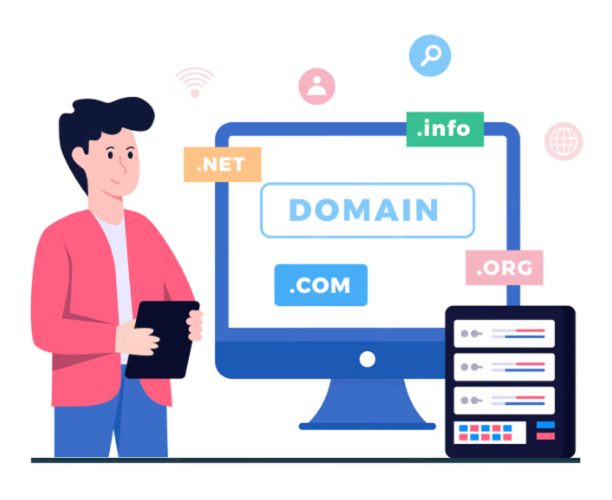
These countries often have strong data-protection laws, minimal censorship policies, and reduced cooperation with external DMCA or legal takedown requests.
In simple words
Offshore domains = Better privacy + Less interference + More freedom
Why We Need Offshore Domains?
There are several reasons why offshore domain registration has become popular, especially among users who prioritize freedom, privacy, and resilience.
7 Best Offshore Domain Registrars In 2026
Now that you understand what offshore domains are and why they’re becoming so essential, let’s dive into the top offshore domain registrars. Selected based on privacy features, pricing transparency, reputation, and user trust. You’ll get clear, real-world insights into each provider so you can choose the best fit for your needs.
1. Njalla

Njalla is widely recognized as one of the most privacy-focused offshore domain registrars in the world. Founded by privacy advocates and digital freedom supporters, Njalla is not your typical registrar. It acts as a proxy between you and the public WHOIS database. When you register a domain through Njalla, their company is technically the domain owner, which shields your personal identity from public access.
Users who want maximum anonymity — especially journalists, researchers, and international project owners — love Njalla because it significantly minimizes exposure to legal pressure or intrusive takedown requests.
Njalla is popular among digital activists and privacy-conscious businesses because of its rigid stance on data protection, strong security practices, and straightforward pricing.
Key Features
Pros & Cons
Pros
- Extreme privacy
- Crypto payments
- Wide TLD support
- Minimal data stored
- Great for activists
Cons
- Higher cost
- Transfer limits
- No advanced hosting
2. CCIHosting

CCIHosting stands out as a combined hosting and offshore domain registrar that takes privacy seriously. While best known for its DMCA Ignored Hosting services, CCIHosting also offers domain registration with strong anonymity options.
For people who want both offshore hosting and domain management in one place, CCIHosting becomes a compelling choice. With multiple server locations in privacy-friendly zones, you get more control and fewer disruptions compared to mainstream registrars.
Small businesses, international blogs, and digital content platforms use CCIHosting because of its easy-to-use interface, solid uptime performance, and consistent support.
Key Features
Pros & Cons
Pros
- Hosting + domains
- WHOIS privacy free
- Good support team
- Multiple server zones
- Budget-friendly
Cons
- Slightly complex dashboard
- Renewal costs higher
- Limited TLDs
3. AbeloHost
AbeloHost is one of the most reputable offshore hosting companies in the Netherlands, well-known for its privacy-compliant infrastructure and content-friendly policies. While they’re best recognized for DMCA-ignored hosting, AbeloHost also provides reliable offshore domain registration services. Their domain management system is simple, secure, and designed for users who need both anonymity and performance.
AbeloHost uses privacy-friendly Dutch laws to protect user data, making it a strong choice for international sites, media outlets, and digital entrepreneurs looking for stability and freedom. Their transparent approach, clean UI, and responsive support team make domain management very beginner-friendly while maintaining robust security.
Key Features
Pros & Cons
Pros
- GDPR privacy
- Easy panel
- DMCA friendly
- WHOIS free
- Stable uptime
Cons
- Limited TLDs
- Slower setup
- No crypto refund
4. HostCay
HostCay is an offshore-friendly registrar operating from Cayman Islands, a region famous for its strong privacy laws and neutral jurisdiction. HostCay offers domain registration tailored for users who need anonymity, low restrictions, and high uptime without complex requirements.
Their platform is focused on offering a smooth and simple offshore experience. HostCay also provides privacy-enhanced hosting, making it a good choice for bloggers, media publishers, and business owners seeking freedom from aggressive DMCA takedowns or political censorship. Its pricing structure is fair, and the support team is quick to resolve issues.
Key Features
Pros & Cons
Pros
- Easy sign-up
- Free privacy
- Fast DNS
- Good support
- Budget plans
Cons
- Fewer add-ons
- No live chat
- Limited TLDs
5. HostGator

HostGator is traditionally known as a mainstream hosting giant, but many users don’t realize that it also supports domain registration with privacy options, competitive global pricing, and reliable DNS performance. While HostGator is not a pure offshore registrar, it is often chosen by users who want a blend of affordability, reliability, and moderate privacy.
HostGator’s domains are easy to manage, making it suitable for new businesses, bloggers, and small brands who need a low-cost domain solution without dealing with complex offshore procedures. It’s not as anonymous as Njalla or AbeloHost, but for users who want mainstream support with optional privacy layers, HostGator becomes a solid alternative.
Key Features
Pros & Cons
Pros
- Very cheap
- Easy for beginners
- Good support
- Frequent deals
- Stable DNS
Cons
- Not offshore
- Paid privacy
- Limited anonymity
6. Lyra Hosting

Lyra Hosting is a well-known offshore hosting and registrar provider that focuses heavily on privacy, security, and DMCA-ignored services. Operating from privacy-friendly jurisdictions, Lyra Hosting offers domain registration designed for users who need protection from censorship, intrusive authorities, and unnecessary takedowns.
Their platform is particularly popular among crypto platforms, data-heavy businesses, and privacy-focused individuals. With support for crypto payments, secure WHOIS protection, and a wide selection of offshore-friendly TLDs, Lyra Hosting gives users a strong blend of security and performance.
Key Features
Pros & Cons
Pros
- Strong privacy
- DMCA friendly
- Accepts crypto
- Secure network
- Good uptime
Cons
- Higher pricing
- Fewer TLDs
- No phone support
7. UnderHost

UnderHost is another highly trusted offshore domain registrar and hosting company known for its strict privacy-first policies and DMCA-ignored services. Operating from privacy-friendly jurisdictions, UnderHost offers domain registration designed for users who want to protect their identity, avoid unnecessary censorship, and maintain full control over their online presence.
UnderHost is especially popular among tech startups, media publishers, and privacy advocates who want both hosting and domain services from a provider that doesn’t fold under external pressure. Their pricing is reasonable, support is responsive, and they accept cryptocurrency — making them a well-rounded offshore option for 2026.
Key Features
Pros & Cons
Pros
- True offshore
- Crypto-friendly
- WHOIS private
- Good support
- Fast DNS
Cons
- Limited TLDs
- Slightly pricier
- No phone help
Comparision Table
| Provider | Initial Pricing | Renewal Cost | Transfer Cost | Support |
|---|---|---|---|---|
| Njalla | $17.46 (.com) / $52.38 (.io) | $17.46 (.com) / $52.38 (.io) | $17.46 (.com) / $52.38 (.io) | Ticket/Email |
| CCIHosting | $25 (domain+hosting) | $25 (domain w/ hosting) | Similar to registration | Live Chat + Email + Tickets |
| AbeloHost | $15.25 (.com) | $15.25 (.com) | $15.25 | 24/7 Support Tickets |
| HostCay | $12–$20 | ~$12–$20 typical (est.) | ~$12–$20 typical (est.) | Email & Support Desk (estimated) |
| HostGator | $12.95 (.com) + privacy $14 | $17.99 | $12.95–$20 | 24/7 Support & Chat (standard) |
| Lyra Hosting | $14–$20 | $14–$20 | $14–$20 | Support Desk / Tickets |
| UnderHost | $15–$25 | $15–$25 | $15–$25 | Tickets/Email Support (industry) |
How to Choose the Best Offshore Domain Registrar In 2026?
Before you finalize any offshore domain registrar, it’s important to understand how to choose the right one. Offshore registrars vary a lot in terms of privacy rules, jurisdiction strength, pricing, and how they handle DMCA notices.
With rising digital restrictions and increasing global surveillance, picking the right registrar is not just a business decision, it’s a protection strategy.

Below are the key factors you should always consider when choosing the best offshore domain registrar:
✔️ 1. Check the Jurisdiction (Country of Operation)
The country where the registrar is located plays a major role in how your domain is treated legally.
Prefer countries known for:
Examples: Netherlands, Iceland, Cayman Islands, Sweden, Panama, BVI
✔️ 2. WHOIS Privacy Protection (Must-Have)
Your domain should not reveal your personal information publicly.
Look for registrars that offer:
If your domain registrar exposes your identity, your offshore protection becomes useless.
✔️ 3. DMCA Ignored or DMCA Resistant Policies
Some offshore registrars ignore or resist DMCA requests unless it involves serious violations.
This is essential if you operate:
A strong offshore registrar won’t shut down your domain just because someone filed a complaint.
✔️ 4. Payment Anonymity (Crypto Support)
A good offshore registrar should support:
Crypto payments protect your identity and ensure your domain cannot be easily connected to you.
✔️ 5. Transparent Pricing (No Hidden Costs)
Some registrars show low initial prices but charge heavy renewals.
Always check:
✔️ 6. DNS Reliability & Speed
Even with strong privacy, your domain is useless if the DNS is slow.
Look for:
✔️ 7. Support Quality (Quick & Knowledgeable)
A reliable offshore registrar should offer:
Support becomes extremely important for offshore setups.
Now that you know how to choose the best offshore domain registrar, let’s move one step deeper. Because choosing the right hosting provider alongside your domain is equally important.
This brings us to an offshore hosting provider that stands out clearly in 2026.
QloudHost – Best Offshore Web Hosting Provider in 2026
QloudHost has become one of the most trusted offshore web hosting brands in 2026, especially for users who need privacy-first hosting with strong DMCA Ignored policies and stable offshore infrastructure.
While registrars protect your domain identity, hosting protects your website’s content, and QloudHost does this better than most offshore competitors.

What makes QloudHost widely preferred is that it provides a perfect balance of:
Unlike many offshore hosts that hide behind vague rules, QloudHost openly offers DMCA Ignored Hosting, meaning they only act on severe abuse cases, not on unfair or spammy takedown requests.
Why QloudHost Stands Out in 2026?
Here are the key benefits that make QloudHost a top-tier offshore hosting provider:
1. Fully DMCA-Ignored Hosting Environment
QloudHost ensures your website remains live even if someone tries to misuse DMCA complaints against you. They only respond to legitimate and serious violations — not casual complaints.
Perfect for:
2. 3 Months FREE Offshore Hosting (3-Year Plan)
This is one of their biggest advantages.
You get:
This makes long-term offshore hosting extremely affordable.
3. Secure & Private Offshore Servers
QloudHost uses privacy-friendly data centers in offshore locations where censorship laws are minimal.
These servers are optimized for:
4. Advanced DDoS & Security Layers
To keep your website safe, QloudHost includes:
5. Accepts Cryptocurrency Payments
For users who want anonymous hosting, QloudHost supports major crypto payments, helping you stay fully private.
6. Offshore Windows VPS & Linux VPS
QloudHost isn’t limited to shared hosting. You also get:
All optimized for performance, anonymity, and content freedom.
7. Friendly & Knowledgeable Support Team
One big difference:
QloudHost’s support TEAM actually understands offshore privacy laws, unlike mainstream providers.
They are quick, helpful, and well-trained in handling offshore website needs.
QloudHost complements any offshore domain registrar, giving users a private, secure, and censorship-resistant environment for their entire online project.
FAQs
1. What is an offshore domain registrar?
An offshore domain registrar is a domain registration company that operates in a foreign, privacy-friendly country. These registrars follow local laws that prioritize user privacy, minimal data sharing, and reduced censorship. This means your domain is less likely to face takedowns, surveillance, or identity exposure. Offshore registrars are often chosen by website owners who want more control, freedom, and anonymity than mainstream registrars typically allow.
2. Are offshore domains legal to use?
Yes, offshore domains are completely legal as long as you are not using them for illegal activities. Registering a domain in a privacy-friendly country is just a smart way to protect your digital identity and avoid unnecessary censorship. Many journalists, researchers, marketers, crypto businesses, and global platforms use offshore domains to operate safely across borders.
3. Do offshore domains protect me from DMCA takedowns?
Offshore domain registrars generally offer stronger resistance to DMCA notices compared to US-based registrars. While they may still act on serious abuse cases, they don’t react aggressively to minor or unfair DMCA complaints. However, true DMCA protection mostly comes from your hosting provider. For maximum safety, pairing your offshore domain with a DMCA-ignored hosting provider like QloudHost gives the strongest level of content freedom.
4. Can I register an offshore domain anonymously?
Yes, many offshore registrars allow anonymous or semi-anonymous registration. Providers like Njalla even act as a privacy shield by registering the domain on your behalf so your identity never appears in public WHOIS searches. Others allow cryptocurrency payments, which further improves your anonymity. Always check whether the registrar offers free WHOIS privacy and minimal identity requirements.
5. What payment methods do offshore registrars accept?
Most offshore registrars accept traditional payment methods like cards and PayPal, but what makes them special is the inclusion of privacy-oriented payment options. Many support Bitcoin, Ethereum, USDT, and sometimes privacy coins like Monero. Crypto payments help keep your identity private, especially when combined with WHOIS protection and offshore hosting.
6. Are offshore domains more expensive than regular domains?
Not always. Some offshore registrars offer competitive prices similar to mainstream providers. For example, AbeloHost offers .com domains around $14 per year, which is very close to standard industry pricing. Others, like Njalla, may charge more due to the additional anonymity and privacy services built into the registration. The cost ultimately depends on the TLD, privacy levels, and registrar location.
7. Which offshore domain registrar is best for long-term privacy?
For long-term anonymity, Njalla is considered the strongest because they act as a private intermediary between you and the domain. AbeloHost and CCIHosting are excellent choices for users who want a balance of affordability and offshore protection. For full privacy, your domain should ideally be paired with an offshore hosting provider like QloudHost, which ensures both your domain and website stay secure from takedowns, surveillance, and unnecessary censorship.
Conclusion
Choosing the right Offshore Windows VPS provider is no longer just about server speed or pricing. In today’s digital world, privacy, stability, and long-term reliability matter even more.
QloudHost and WebCare360 clearly stand out because both companies offer strong offshore privacy protections, DMCA-ignored infrastructure, and performance-focused Windows VPS environments that help users operate without disruption.
QloudHost takes a noticeable lead by offering stronger speeds, more transparent features, and budget-friendly pricing that attracts businesses, traders, developers, and privacy-focused users alike. Their self-managed and fully managed VPS options give every user the freedom to choose exactly what they need, while the offshore location ensures that content remains protected from unnecessary censorship or takedowns.
On the other hand, WebCare360 offers a more neutral and straightforward offshore experience that still appeals to users who don’t require advanced configurations or higher resources.
Both hosting providers are reliable in their own space, but users looking for modern performance, optimized Windows VPS, and genuinely hassle-free offshore privacy will naturally find QloudHost a more future-focused and high-value solution.
In the end, the choice depends on what you need—yet if your goal is power, privacy, and performance in a single place, QloudHost delivers the strongest combination for long-term offshore hosting success.